Guide to Sage Magic

Updated: 15 hours ago
Characteristics
Botanical Family: Lamiaceae
Parts Used: Leaves and flowering tops
Edible: Yes
Pet Safety: Safe for cats and dogs when used in small culinary quantities, but consuming large amounts or concentrated essential oil may be harmful because it contains thujone.
Associations
Element: Air
Planet: Jupiter
Zodiac: Sagittarius, Virgo, Taurus
Gender (Traditional): Masculine Chakra: Throat & Crown
Deities: Zeus, Jupiter, Apollo, Hecate
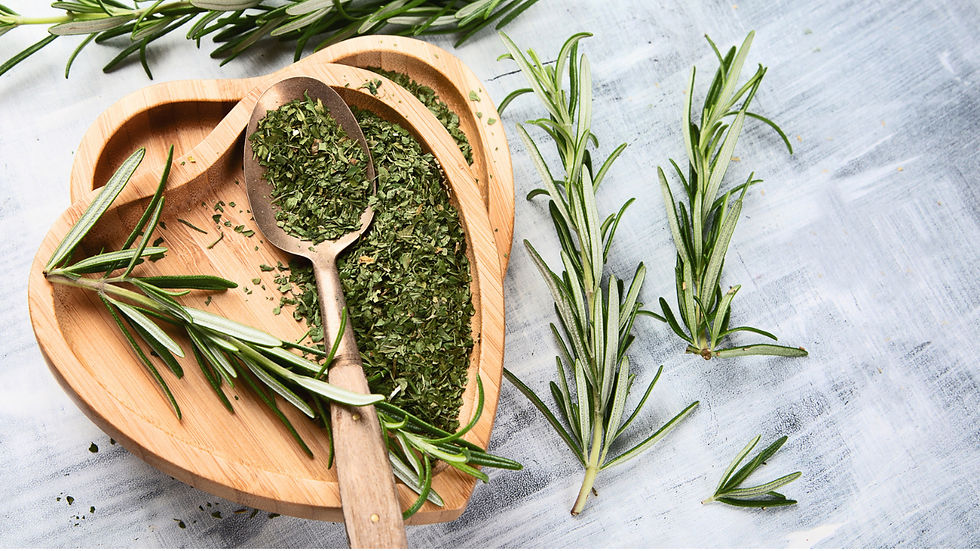
Flowers: Rosemary, Bay Laurel, Lavender
Magical Properties
Cleansing & Purification
Protection from Negativity
Wisdom & Clarity
Longevity & Healing
Spiritual Insight
Cleansing of Tools & Spaces
Manifestation & Intention Setting
Mental Focus & Calm
Prosperity & Abundance
Balance & Grounding
History
Sage has held an important place in traditional healing and spiritual practices for thousands of years, valued for its associations with health, wisdom, and protection.
Its botanical name, Salvia, comes from the Latin salvare, meaning “to heal” or “to save,” reflecting the plant’s long-standing reputation as a medicinal herb.
The ancient Romans regarded sage with particular reverence. Its collection was sometimes accompanied by ceremonial practices, as the herb was connected with wisdom, health, and a long life.
Centuries later, sage remained an important remedy in medieval Europe, where it was found in apothecaries and cultivated in monastery gardens for its many applications.
Sage also developed a strong role in spiritual traditions. Its leaves were used to cleanse and purify homes, altars, and other sacred environments, with the belief that its smoke could clear unwanted or stagnant energy.
Throughout different folk traditions, burning sage came to be associated with removing negativity, illness, and spiritual heaviness. The practice was seen as a way of refreshing a space and encouraging a greater sense of balance, clarity, and protection.
References
American Society for the Prevention of Cruelty to Animals. (n.d.). Sage (Salvia officinalis). ASPCA Poison Control. https://www.aspca.org/pet-care/aspca-poison-control/toxic-and-non-toxic-plants/sage
Culpeper, N. (1653). The English physician enlarged: The complete herbal. London, England.
Cunningham, S. (1985). Cunningham’s encyclopedia of magical herbs. Llewellyn Publications.
European Medicines Agency. (2017). European Union herbal monograph on Salvia officinalis L., folium. European Medicines Agency. https://www.ema.europa.eu/en/medicines/herbal/salviae-officinalis-folium
Kew Science. (2026). Salvia officinalis L. Plants of the World Online. Royal Botanic Gardens, Kew. https://powo.science.kew.org/taxon/456873-1
Royal Horticultural Society. (n.d.). Salvia officinalis: Common sage. RHS. https://www.rhs.org.uk/plants/15507/salvia-officinalis-common-sage/details
World Health Organization. (2004). WHO monographs on selected medicinal plants: Volume 2. World Health Organization.
Wynn, S. G., & Fougère, B. J. (2007). Veterinary herbal medicine: A systems-based approach. Mosby Elsevier.

Comments