Guide to Lavender Magic

Updated: 16 hours ago
Characteristics
Botanical Family: Lamiacee (mint family)
Parts Used: Flowers and leaves
Edible: Yes
Pet Safety: Generally non-toxic to dogs and cats in low exposure; an avoid essential oils around cats.
Correspondences
Element: Air
Planet: Mercury
Zodiac: Gemini, Virgo, Libra
Gender (Traditional): Masculine
Chakra: Crown & Heart
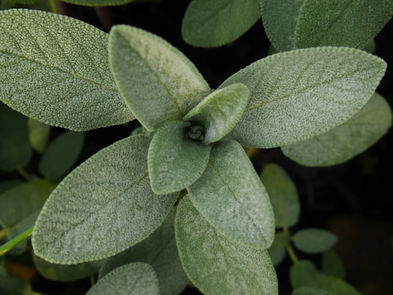
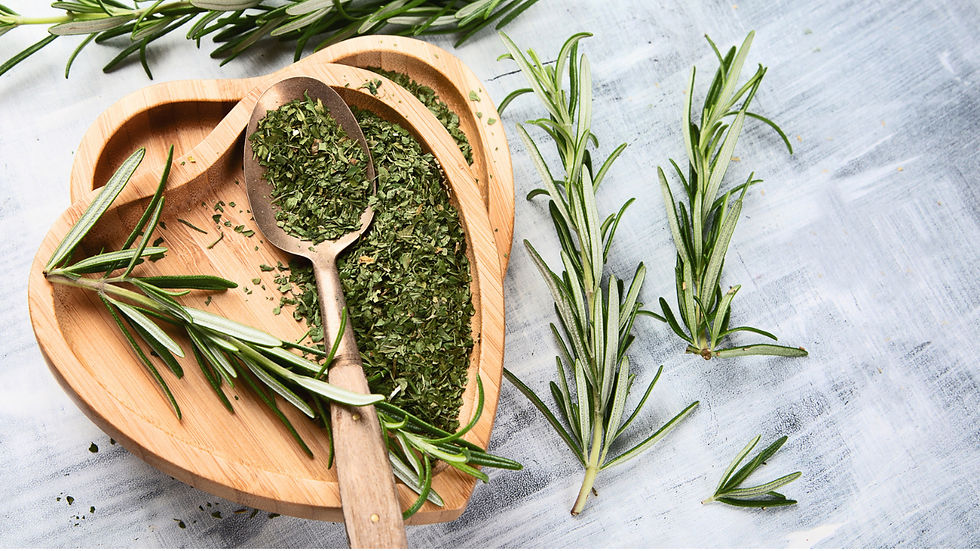
Deities: Hecate, Aphrodite, Airmid, Eos Flowers: Rose, Chamomile, Lily Herbal Allies: Rosemary, Sage, Chamomile
Properties
Peace & Calm
Protection & Purification
Love & Harmony
Healing & Restoration
Sleep & Dreams
Clarity of Mind
Happiness & Emotional Balance
Cleansing Negativity
Spiritual Awareness
Attraction of Kindness & Friendship
Magical Uses
Burn as incense to purify your space and invite peace.
Add to spell jars for protection, love, and calm energy.
Use in sachets or under your pillow for restful sleep and dream work.
Add to baths for relaxation and energetic cleansing
Wear or carry for protection while
Ideal Spell Types
Love
Fertility
Sleep
Peace
Protection
Clarity of Mind
History
Lavender has a long history, with its roots tracing back to the Mediterranean and regions of North Africa. For thousands of years, people have valued this fragrant herb for its beauty and soothing scent, but also for its cleansing and healing properties.
Its name is believed to come from the Latin word lavare, which means “to wash.” The Romans actually used lavender in their bathing rituals, adding it to water to scent and cleanse both their body and the space around them.
In ancient Egypt, lavender was used in perfumes and as part of funerary and embalming practices.
In medieval Europe, bundles of lavender were placed among clothing and linens, where its helped repel insects.
By the Renaissance period, lavender had also gained a reputation as a protective and purifying herb, with people believing it could help guard against disease and cleanse the air within their homes.
Lavender continues to hold that reputation today. It is widely used in aromatherapy for its relaxing qualities and remains a beloved herb in witchcraft and folk magic, where it is associated with peace, purification, balance, protection, and gentle healing.
References
American Society for the Prevention of Cruelty to Animals. (n.d.). Lavender (Lavandula angustifolia). ASPCA Poison Control. https://www.aspca.org/pet-care/aspca-poison-control/toxic-and-non-toxic-plants/lavender
Cunningham, S. (1985). Cunningham’s encyclopedia of magical herbs. Llewellyn Publications.
European Medicines Agency. (2012). European Union herbal monograph on Lavandula angustifolia Miller, aetheroleum. European Medicines Agency. https://www.ema.europa.eu/en/medicines/herbal/lavandulae-aetheroleum
European Medicines Agency. (2012). European Union herbal monograph on Lavandula angustifolia Miller, flos. European Medicines Agency. https://www.ema.europa.eu/en/medicines/herbal/lavandulae-flos
Kew Science. (2026). Lavandula L. Plants of the World Online. Royal Botanic Gardens, Kew. https://powo.science.kew.org/taxon/20960-1
Kew Science. (2026). Lavandula angustifolia Mill. Plants of the World Online. Royal Botanic Gardens, Kew. https://powo.science.kew.org/taxon/449008-1
Royal Botanic Gardens, Kew. (n.d.). English lavender: Lavandula angustifolia. Kew. https://www.kew.org/plants/english-lavender
Upson, T., & Andrews, S. (2004). The genus Lavandula. Royal Botanic Gardens, Kew.
World Health Organization. (2007). WHO monographs on selected medicinal plants: Volume 3. World Health Organization.

Comments